The Story
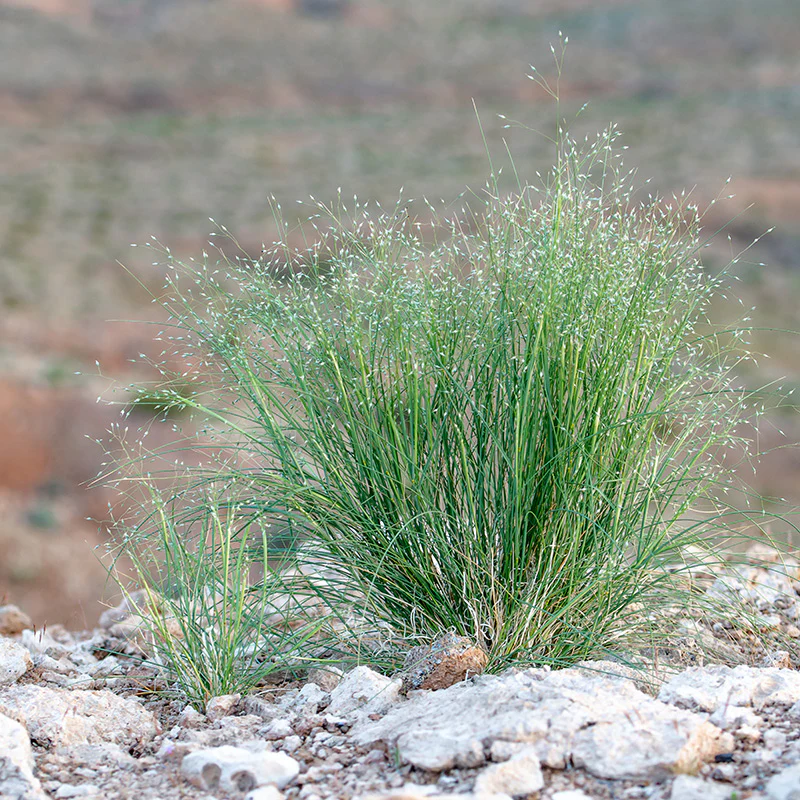
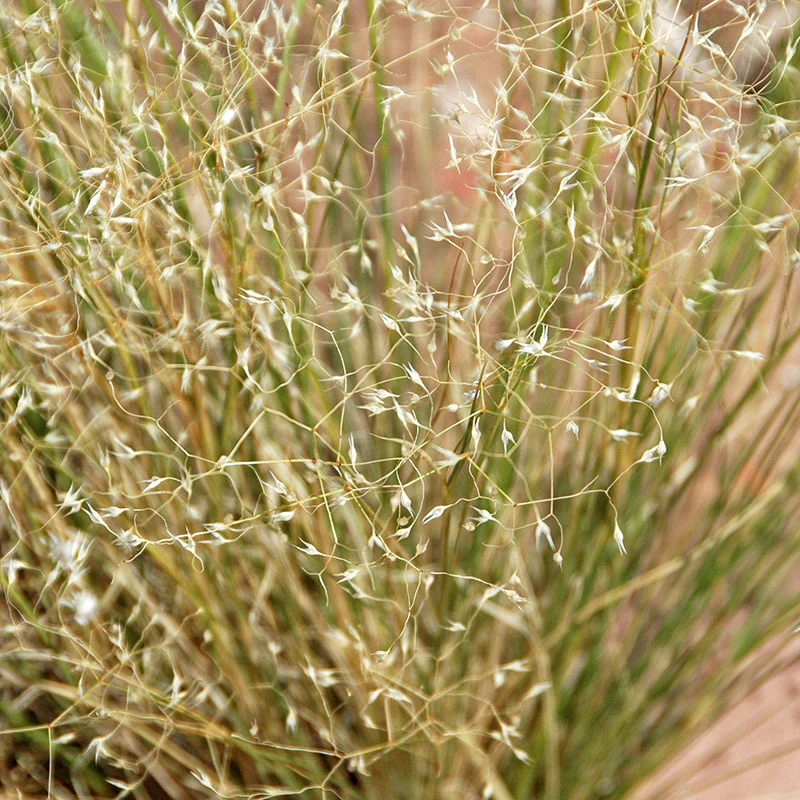
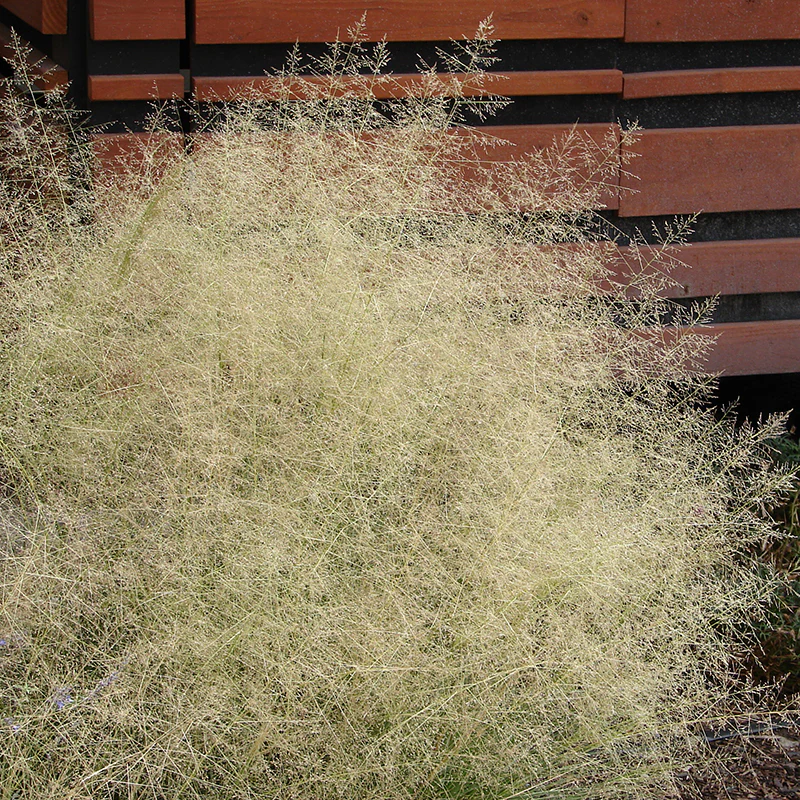
Achnatherum hymenoides (Indian Ricegrass) sports an unusual combination of traits: while decidedly delicate in appearance, it is one of the most drought-adapted native grass species in our region. These plants are unbothered by dry, lean soils with poor fertility, and even prefer them to richer, more amended soils or those with organic mulches. Indian Ricegrass blooms earlier than many native grasses used in gardens, disappearing in early summer beneath billowing, elegant plumes that are superb in gardens with architectural plants.
With an almost see-through like quality, the flowers on this grass make great foils for chunky cacti, yucca, and succulents, with which it mingles effortlessly. This species is well-behaved and doesn’t run, though can self-sow lightly in favorable sites. Formerly known as Oryzopsis hymenoides.
Details & Craftsmanship
Every detail has been carefully considered to bring you the perfect product.
Details & Craftsmanship
Every detail has been carefully considered to bring you the perfect product.
Description
Achnatherum hymenoides (Indian Ricegrass) sports an unusual combination of traits: while decidedly delicate in appearance, it is one of the most drought-adapted native grass species in our region. These plants are unbothered by dry, lean soils with poor fertility, and even prefer them to richer, more amended soils or those with organic mulches. Indian Ricegrass blooms earlier than many native grasses used in gardens, disappearing in early summer beneath billowing, elegant plumes that are superb in gardens with architectural plants.
With an almost see-through like quality, the flowers on this grass make great foils for chunky cacti, yucca, and succulents, with which it mingles effortlessly. This species is well-behaved and doesn’t run, though can self-sow lightly in favorable sites. Formerly known as Oryzopsis hymenoides.