Original: $10.99
-70%$10.99
$3.30The Story
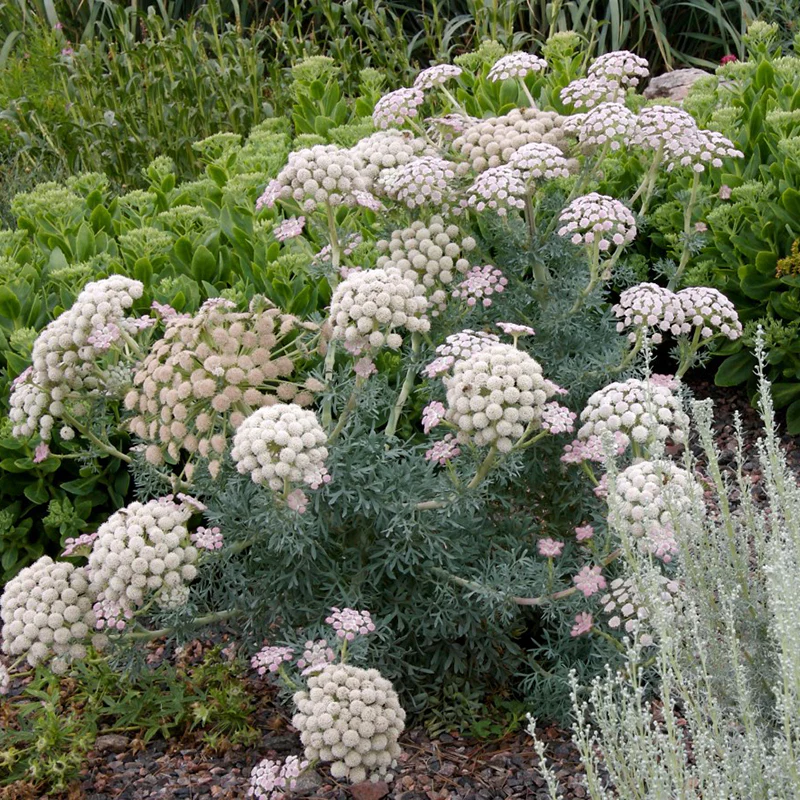
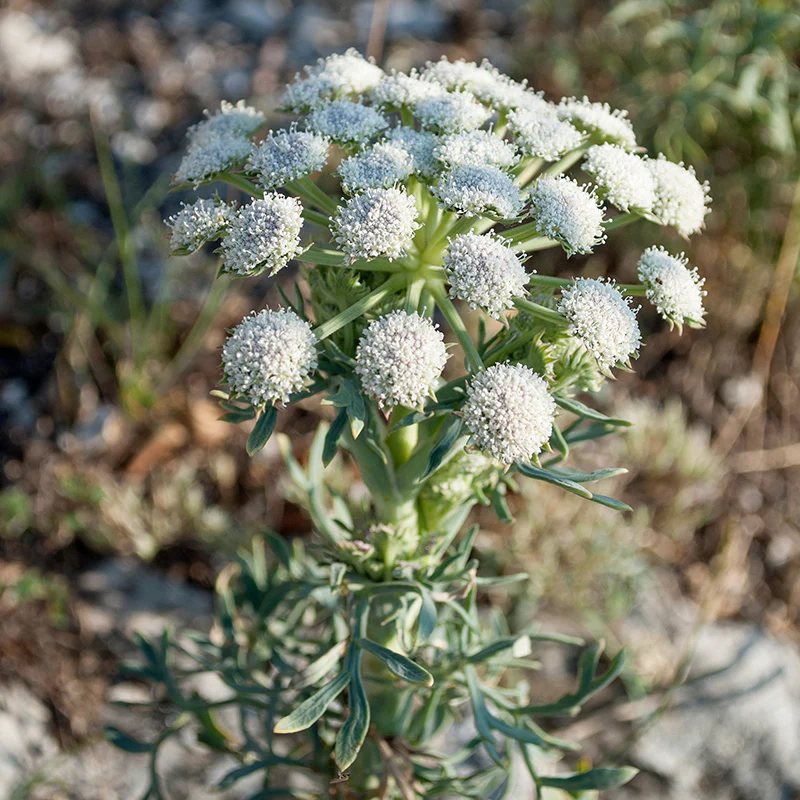
An unusual and surprisingly drought-tolerant plant first promoted widely by Plant Select®, Moon Carrot is a biennial (living two years) or short-lived perennial (living 3-5 years) in the West. During their first year, these plants often focus on root development, presenting as a clump of lacy, silvery-blue leaves about the ground. During their second year, Moon Carrot plants shoot skyward to create billowing columns of elegant foliage beneath their namesake round, pink-white flowerheads.
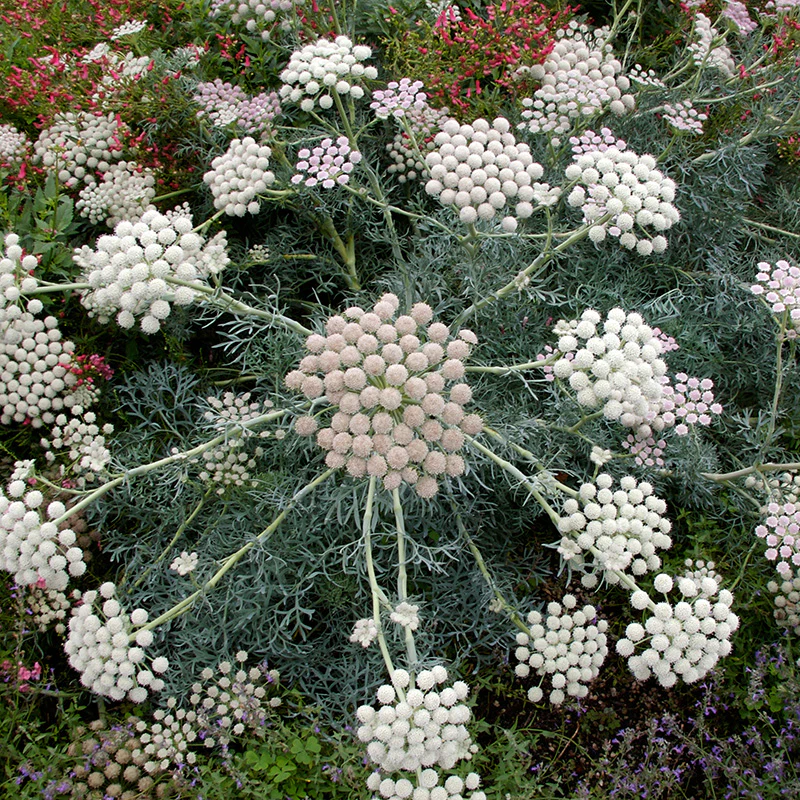
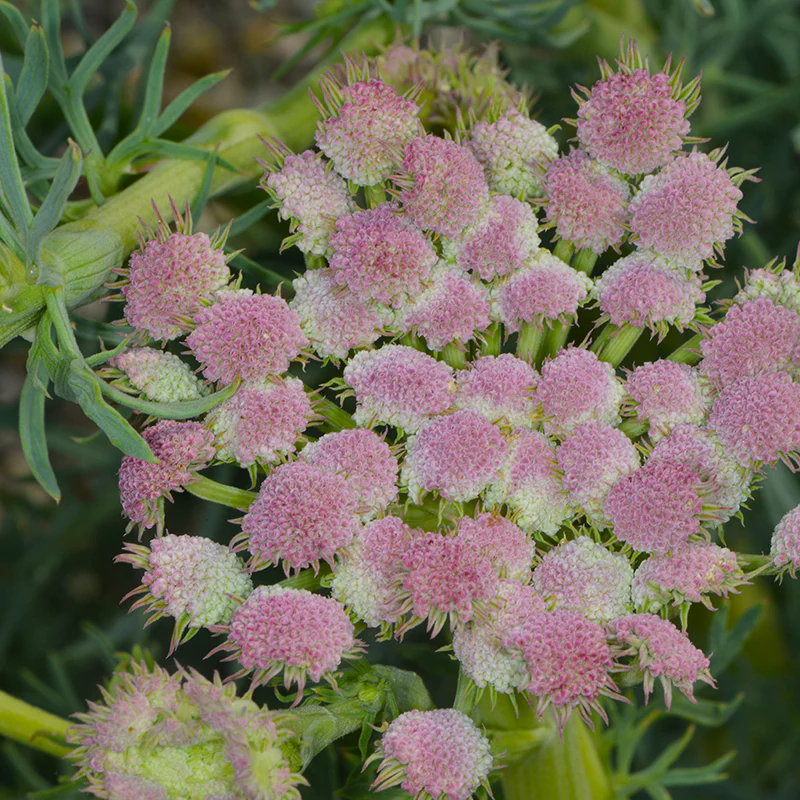
These large blooms, each to four inches across, make quite the statement, occurring all over the upper half of the plant. They’re among the most potent pollinator magnets in western gardens, attracting a huge array of pollinating insects, some seldom seen in gardens. Deadheading increases the odds of your plants perennializing, though leaving one or two flower heads is wise to ensure some self-sowing takes place as this will keep a stand of these short-lived plants around. Most vigorous in a gravel mulch.
Details & Craftsmanship
Every detail has been carefully considered to bring you the perfect product.
Details & Craftsmanship
Every detail has been carefully considered to bring you the perfect product.
Details & Craftsmanship
Every detail has been carefully considered to bring you the perfect product.
Description
An unusual and surprisingly drought-tolerant plant first promoted widely by Plant Select®, Moon Carrot is a biennial (living two years) or short-lived perennial (living 3-5 years) in the West. During their first year, these plants often focus on root development, presenting as a clump of lacy, silvery-blue leaves about the ground. During their second year, Moon Carrot plants shoot skyward to create billowing columns of elegant foliage beneath their namesake round, pink-white flowerheads.
These large blooms, each to four inches across, make quite the statement, occurring all over the upper half of the plant. They’re among the most potent pollinator magnets in western gardens, attracting a huge array of pollinating insects, some seldom seen in gardens. Deadheading increases the odds of your plants perennializing, though leaving one or two flower heads is wise to ensure some self-sowing takes place as this will keep a stand of these short-lived plants around. Most vigorous in a gravel mulch.